
Korean Double Eyelid Surgery and Cosmetic Double Eyelid Surgery — How Do They Differ?
When researching double eyelid surgery, you will immediately encounter a dizzying array of terms: Korean double eyelid surgery, hidden double eyelids, and corner-opening blepharoplasty. This article clearly explains which are actual surgical techniques and which are simply marketing terms.
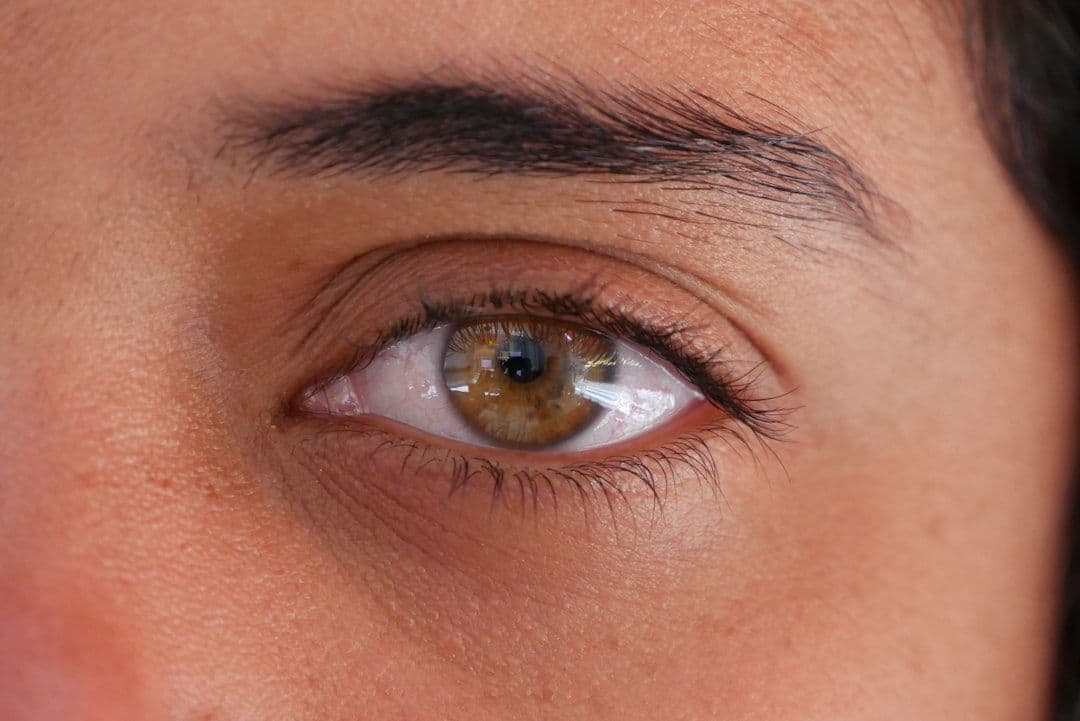
If you have ever researched double eyelid surgery, you have likely come across various terms such as Korean double eyelid surgery, aesthetic double eyelid surgery, hidden double eyelids, canthoplasty (eye corner widening), or new-technology double eyelid surgery. In reality, most of these are merely marketing terms rather than distinct medical techniques. Understanding this will help you ask the right questions during your consultation.
What does "Korean double eyelid surgery" actually mean? There is no medical standard that defines "Korean double eyelid surgery." This term is typically used to describe a thin, natural-looking, and moderately deep eyelid crease that complements East Asian facial features, rather than a distinct surgical method. When a clinic advertises this service, they are referring to the desired aesthetic outcome rather than a unique technology or procedure.
So, what actually makes a difference? The real difference lies in the specific procedures the surgeon performs on your eyelids. Depending on your condition, a double eyelid surgery may require: + Creating or adjusting the eyelid crease when there is no crease or when the creases are asymmetrical. + Addressing sagging eyelid skin that makes the eyes look heavy and tired. + Removing excess eyelid fat when a puffy upper eyelid causes drooping. + Combining the above techniques depending on the specific condition. These are clinically significant interventions that require a direct examination and measurement by a doctor to be determined.
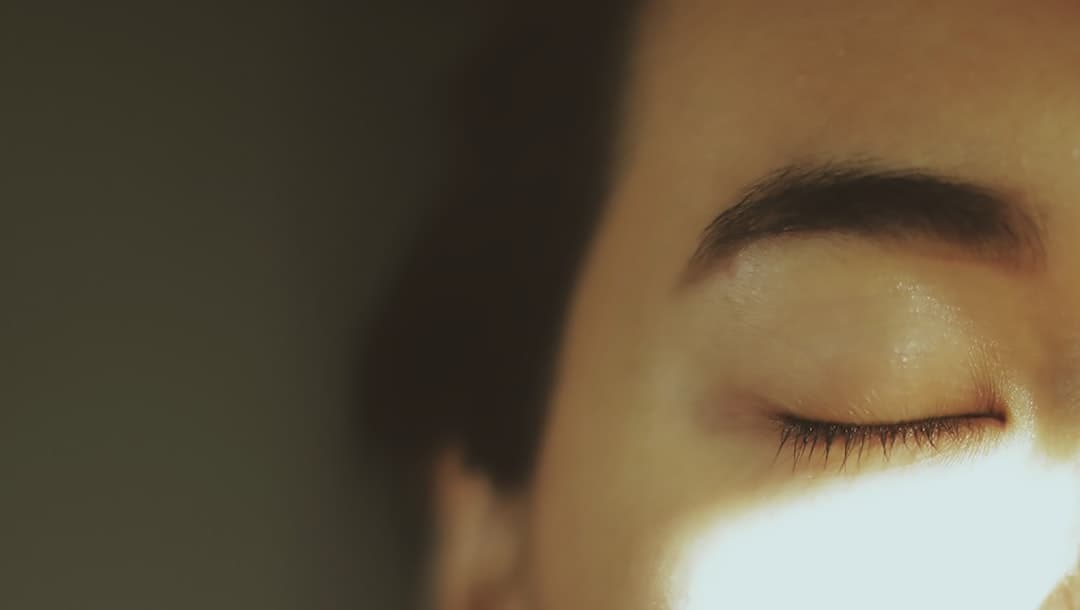
What are "hidden double eyelids" and "canthoplasty"? These terms describe specific outcomes or the scope of the intervention: + Hidden double eyelids refer to a thin, shallow, and subtle crease. + Canthoplasty (eye corner widening) is an intervention at the corners of the eyes. This is a separate procedure, and not everyone is a candidate for it. You should consult with your doctor to see if it is truly necessary, avoiding unnecessary interventions.
What truly determines the outcome: First, the doctor must directly examine and measure before the procedure. The eyelid is a delicate tissue area with very little margin for error, requiring the doctor to carefully assess skin laxity, fat volume, and eye opening in a natural sitting position to design an appropriate crease. Second, honesty in consultation. The doctor needs to clearly indicate which crease shape is suitable or unsuitable for your eye structure instead of applying a one-size-fits-all formula. Third, the medical standards of the facility. Double eyelid surgery is an invasive procedure that must be performed at a licensed facility by a qualified doctor to ensure safety. At BonBoz Clinic, highly skilled doctors directly perform the scar-hiding suturing technique aligned with the natural eyelid crease to ensure the finest and most discreet incision line. Fourth, the person performing the surgery. At BonBoz, the doctor who examines you is the one who directly performs the surgery; we do not hand over cases to technicians.
Important note: As this is a surgical intervention, you must present your citizen ID (CCCD) during registration. You may need to fast before undergoing certain health screening tests. Customers under 18 years old must be accompanied by a parent or guardian who agrees to BonBoz's treatment plan.
The procedure at BonBoz:
- 1Examination and measurement: The doctor assesses skin laxity, eyelid fat, eye opening, and the current crease.
- 2Crease shape consultation: The doctor discusses and recommends the most suitable crease shape for your eye structure.
- 3Agreement on plan and cost: The doctor explains the technique, incision location, and provides a quote. BonBoz Clinic publicly lists its prices at the facility and guarantees no hidden costs after the direct consultation with the doctor.
- 4Health check: Assessment of medical history, allergies, current medications, and eye condition.
- 5The Procedure: The doctor marks the crease line again in a sitting position, then performs local anesthesia. You will remain fully awake throughout the procedure.
- 6Aftercare and follow-up:
+ Days 1-2: Apply cold compress for 10-15 minutes per session, 1 hour apart. + From Day 3: Switch to warm compress. + Clean the eyes with sterile saline. Do not wear eye makeup, do not wear contact lenses, and do not rub your eyes. + Dietary restrictions for 1 month: Avoid seafood, beef, glutinous rice, water spinach, alcohol, and stimulants. + Suture removal on the 7th day at the clinic. + Periodic follow-ups at 1, 3, and 6 months for the doctor to monitor the healing process.
A few things to know beforehand: Regarding scarring: The incision line coincides with the eyelid crease, so it will be hidden when your eyes are open. At BonBoz, doctors apply a scar-hiding suturing technique aligned with the natural crease to ensure the finest line. However, the degree of scar fading depends on individual skin characteristics. Please inform the doctor if you are prone to keloids. Regarding asymmetry: During the swelling phase, the eyelids may appear asymmetrical. This is normal and will gradually improve. Regarding swelling and mild bruising in the first few days: This is completely normal and will subside over time. Regarding recovery time: The rate at which swelling and bruising subside depends on individual healing. If you have an important event, please share this with your doctor to plan your schedule accordingly. Regarding risks: Invasive interventions carry risks such as infection, bleeding, temporary dry eyes, prolonged swelling/bruising, or an unsatisfactory crease. Contact your doctor immediately if you notice abnormal signs: severe swelling, excessive pus/bleeding, fever above 38.5°C, spreading redness/inflammation, or inability to close your eyes fully after 1 week. Regarding costs: The cost depends on your eye condition and the required technique. BonBoz Clinic publicly lists its prices at the facility and guarantees no additional costs after the doctor provides a direct quote. We offer installment plans (contact our hotline or leave your phone number for guidance) and monthly promotional programs.
In summary, do not choose a service based solely on marketing names. Ask your doctor three clear questions: what is the issue with my eyes, how will you address it, and who will directly perform the procedure on me?
Phòng khám Thẩm mỹ và Da liễu BonBoz — 66–68 Võ Văn Tần, Phường Xuân Hòa, Thành phố Hồ Chí Minh. Content compiled and reviewed by the medical team of BonBoz Clinic.
This article is for reference only and does not replace an in-person examination or a doctor's diagnosis. Actual results vary by individual condition.